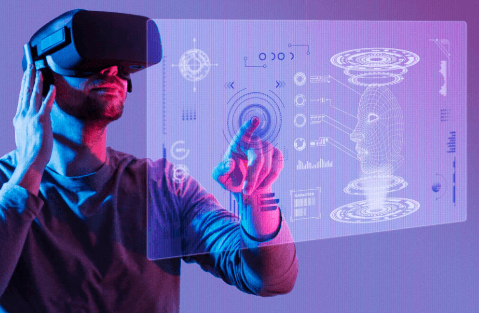
Augmented reality layers contextual guidance onto routine tasks, reducing cognitive load and improving decision speed. It personalizes steps, sequences work, and provides immediate feedback for safer, more efficient outcomes. In daily activities like cooking, repairs, and navigation, AR enhances situational awareness and tool use while preserving autonomy. The result is a steadier workflow with fewer mistakes, yet the practical implications and limits invite closer examination. Could this shift redefine everyday competence and planning?
How AR Personalizes Daily Tasks for You
Augmented reality personalizes daily tasks by overlaying contextual digital guidance onto the physical environment, enabling users to complete routines with greater efficiency.
The analysis shows how AR personalizes, daily tasks by guiding selections, sequencing actions, and preserving cognitive load.
It reveals how AR personalizes, your routines through situational prompts, adaptive timing, and intuitive feedback for autonomous, informed decision-making.
What AR Makes Cooking, DIY, and Repairs Safer
What AR brings to cooking, DIY, and repairs is heightened safety through proactive guidance and real-time risk awareness. AR safety features anticipate hazards, outline correct tool use, and flag potentially dangerous sequences before actions occur.
It also enhances AR ergonomics by reducing awkward postures and eye strain during prolonged tasks, supporting safer, more efficient, autonomous work without sacrificing freedom.
How AR Guides You Through Travel and Navigation
AR-guided travel and navigation streamline wayfinding by overlaying contextual information onto the real environment. This approach delivers precise, real-time guidance, reducing uncertainty and cognitive load for travelers.
Navigation overlays translate maps into actionable cues, supporting autonomous exploration. The framework emphasizes efficiency and safety, while preserving freedom of choice. Practical travel tips emerge, improving decision-making without constraining individual itineraries.
Choosing Your AR Setup: Devices, Apps, and How to Start
Choosing an AR setup hinges on balancing hardware, software, and use case.
The section outlines choosing devices, app options and setup tips, and how to evaluate hardware and software compatibility for reliable performance.
It also addresses choosing privacy and data concerns, and weighing choosing budget versus premium features against desired capabilities, ensuring a scalable, freedom-focused path for practical AR adoption.
See also: usaudience
Frequently Asked Questions
How Private Is My Data When Using AR Apps Daily?
AR app privacy varies; individuals should scrutinize terms, settings, and device permissions. Privacy ethics govern data collection, usage, and retention, while data sharing practices influence exposure. Experts emphasize transparency, user control, and minimal data practices for freedom-conscious users.
Can AR Glasses Replace Smartphones Entirely?
AR glasses cannot completely replace smartphones; they struggle with battery life, app breadth, and privacy considerations, though smartphone integration remains a powerful compromise. They demand cautious adoption, balancing AR glasses’ capabilities with privacy, battery impact, and usability.
Do AR Demos Require Constant Internet Access?
AR demos do not require constant internet access, though performance may vary; offline mapping enables useful functionality, while AR latency persists as a consideration for fluid experiences, ensuring independent operation during intermittent connectivity and preserving user autonomy.
Will AR Drain My Device’s Battery Quickly?
AR energy impacts battery usage moderately; modern devices balance AR processing, screen, and sensors to prevent rapid drain. Studies show offline demos and optimized access reduce consumption, while internet dependency can elevate power needs, privacy concerns, and data security considerations.
ARe AR Features Accessible for Low-Vision Users?
Accessible interfaces and adaptive contrast improve AR for low-vision users, enabling vision-supported interactions. The analysis shows these features enhance navigation, clarity, and independence, while maintaining performance. Freedom-oriented design prioritizes usability without compromising functionality or responsiveness for diverse users.
Conclusion
AR weaves the ordinary into the extraordinary, turning mundane routines into precision-mapped symphonies of guidance. It personalizes tasks with laser-like relevance, orders risk and safety like a vigilant oracle, and makes cooking, DIY, travel, and repairs astonishingly fault-tolerant. The result is a hyper-aware everyday ecosystem: steps appear, errors shrink, decisions accelerate, and confidence skyrockets. In this new normal, the simplest task becomes an optimized, almost clairvoyant performance—an unstoppable upgrade of daily life that feels magically effortless.
