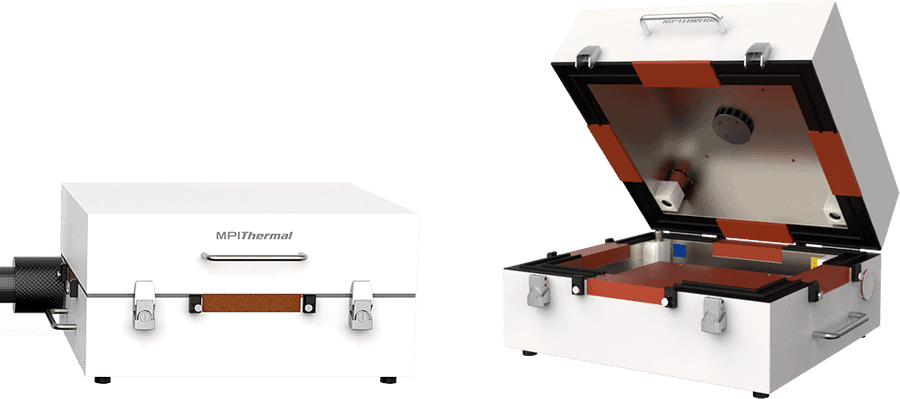
For labs needing fast temperature testing turnaround without dedicating significant floor space to large equipment, the benchtop thermal chamber offers a practical, efficient solution. This guide explores its role in modern testing environments.
Why Benchtop Design Appeals to Many Labs
Smaller interior volume means benchtop thermal chambers typically reach target temperatures faster than larger walk-in units, supporting labs running frequent, shorter test cycles where speed matters as much as precision.
See Also: 20 Essential Business Lessons for New Entrepreneurs
Common Applications
Electronics component testing, small material sample evaluation, and rapid prototyping validation are all well suited to benchtop thermal chamber capacity, offering quick turnaround for iterative development processes.
Balancing Speed and Precision
While benchtop chambers offer faster stabilization, confirming that speed doesn’t come at the cost of temperature accuracy and uniformity across the interior is worth verifying against manufacturer specifications before purchase.
Integration Into Existing Lab Workflows
Because of their compact footprint, benchtop thermal chambers often integrate more easily into existing lab space than larger units, allowing testing capability expansion without a major facility reconfiguration.
For a closer look at available benchtop thermal chamber specifications, LIB Industry benchtop thermal chamber offers additional detail worth reviewing.
Considering Ramp Rate Specifications
For testing protocols involving rapid temperature cycling, a chamber’s ramp rate, how quickly it can transition between temperature setpoints, becomes a particularly important specification to evaluate carefully.
Maintenance Advantages of Compact Design
Smaller chambers often prove easier to clean, inspect, and maintain simply due to more accessible interior space, which can meaningfully reduce ongoing maintenance time and effort compared to larger equipment.
Frequently Asked Questions
How much faster do benchtop chambers reach target temperatures compared to larger units? This varies by model, but smaller interior volumes generally allow considerably faster stabilization than large walk-in chambers.
Are benchtop thermal chambers suitable for testing larger assemblies? Generally not; their compact size is best suited to smaller components and materials rather than large finished products.
Why does ramp rate matter for certain testing protocols? Rapid cycling tests specifically rely on how quickly a chamber can transition between temperatures, making this specification critical for those particular applications.
Final Thoughts
Benchtop thermal chambers offer a genuinely valuable combination of speed, space efficiency, and testing precision for labs working with smaller specimens. Understanding their specific advantages helps labs make smart, space-conscious equipment decisions.
