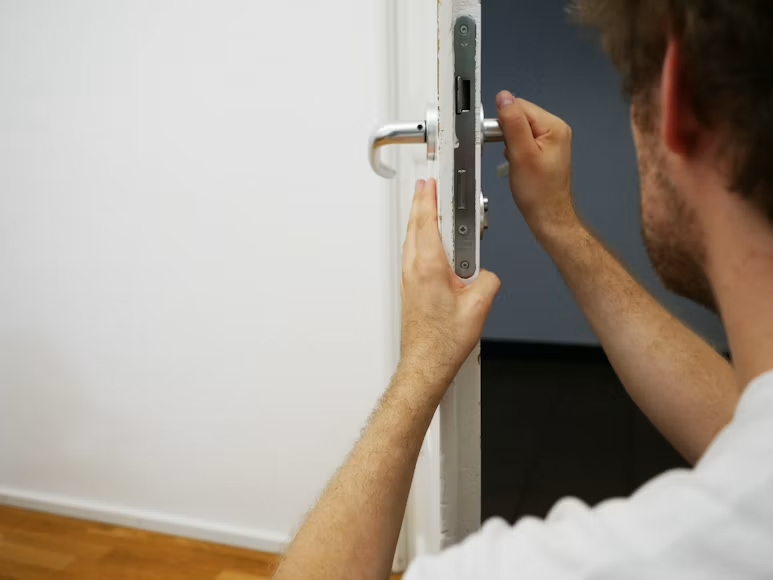
Business doors take a beating. A retail entrance on F Street might cycle two thousand times in a single day, while a warehouse door near Ivy City swings heavy steel against its frame every few minutes. A commercial locksmith in DC spends most of the working week on exactly this kind of hardware, from aluminum storefront doors downtown to mortise locks in older office buildings along Connecticut Avenue.
The trade covers far more than opening locked doors. A commercial locksmith in DC designs master key charts, installs panic bars, repairs door closers, and services electronic access systems. Each of these jobs follows its own logic, and understanding that logic helps building managers spot problems early, budget for upgrades sensibly, and ask sharper questions before signing off on any security work.
Master Key Systems Bring Order to Growing Teams
A master key system solves a problem every multi-room business eventually faces. The office manager needs access to every door. The bookkeeper needs the records room and nothing else. Cleaning staff need common areas after hours. Handing out identical keys to everyone erases those distinctions and turns one lost key into a building-wide risk.
The system works through pinning. Inside each lock cylinder, a locksmith stacks pins at depths that answer to two or more different keys. A change key opens one door. The master opens the whole floor.
Keyed Hierarchies Need Paperwork: A master system is only as good as its records. A written key chart, a signed log of who holds which keys, and a policy for returning keys at departure help maintain the hierarchy. Skip the paperwork and the system quietly decays until nobody knows how many masters are floating around the city.
See also: How Ambient Computing Will Change Daily Life
What Separates High-Security Cylinders From Stock Hardware
Builder-grade cylinders open to picking, bumping, and drilling with modest effort. High-security cylinders resist all three through hardened steel inserts, sidebar mechanisms, and pin stacks cut to tighter tolerances. The difference shows up in independent testing, where stock hardware fails in seconds and rated cylinders hold out long past the point where an intruder gives up or gets noticed.
Restricted keyways matter just as much. Patent-protected blanks cannot be copied at a hardware store kiosk, so duplicate keys only exist when the business authorizes them.
Panic Hardware and the Fire Code
Any door serving an assembly space or a high-occupancy commercial floor must let people out in one motion, without a knob to turn or a deadbolt to fumble. That is the job of the panic bar, a horizontal push rail that retracts the latch under body pressure. DC follows the International Building Code on this point, and fire marshals check exit hardware during routine inspections.
Problems creep in through well-meaning mistakes. A shop owner adds a surface bolt to stop break-ins and accidentally creates an illegal exit. A stockroom door gets propped because the closer slams too hard. A commercial locksmith corrects both conditions. Alarmed trim or delayed egress hardware lets the door stay compliant and secure at the same time.
Rekeying Beats Replacement After Staff Turnover
When an employee with keys leaves on bad terms, the fastest fix rarely involves new locks. Rekeying keeps the existing hardware in place while the locksmith swaps the pin stack inside each cylinder and cuts fresh keys that the old ones no longer match. The work takes minutes per door and costs a fraction of full replacement.
Replacement earns its price in different situations. Corroded internals, a discontinued keyway, damage from a break-in attempt, or an upgrade to a restricted system all justify new hardware. A good rule for facilities managers: rekey when the metal is sound and the threat is a missing key, replace when the hardware itself has become the weak point.
Access Control Moves the Key Onto a Card
Electronic access control changes what a credential can do. A fob or card can be cancelled from a desk the moment someone leaves the company, which removes the single largest headache of physical keys. The system also writes a time-stamped record of every entry, useful after an inventory loss or an after-hours incident.
Commercial locksmiths now install and service much of this equipment. They wire electric strikes into existing frames and pair keypads with mechanical override cylinders. The mechanical side never fully disappears. Power fails, batteries die, and every electronic door still needs a properly aligned strike plate and a cylinder behind the keypad for the day the electronics stop answering.
Sound Hardware Is a Business Decision
Security spending competes with every other line on a budget, and door hardware rarely wins attention until something goes wrong. The pattern across the District suggests a better order of operations. An annual walk-through catches sagging hinges and drifting closers before they strand staff outside. A documented key system prevents the slow leak of unaccounted copies. Rated cylinders on perimeter doors raise the cost of forced entry past what most intruders will pay.
Any licensed commercial locksmith can perform a site survey covering these points in under an hour. Booking one before a lost master key or a failed inspection forces the issue turns security from an emergency expense into a planned one.
