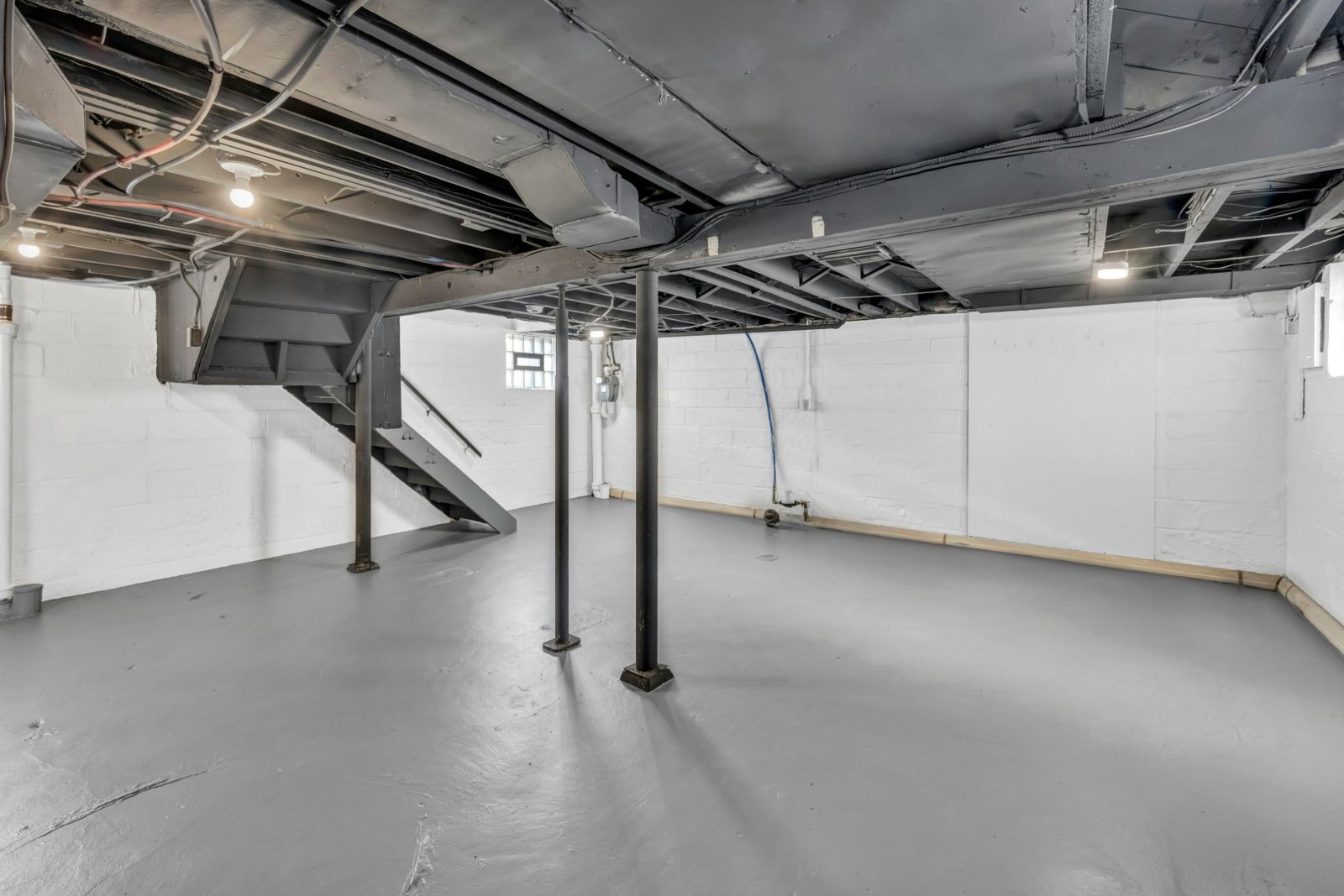
Standing water looks like a straightforward pumping problem. Point a pump at it, wait a while, and the basement is empty. The equipment part is real, and the sequence around it decides whether your floor survives. Getting it wrong costs more than the water did.
You went down at six in the morning, and the bottom step was underwater. The sump pump either failed or never kept up. Either way, there is now a body of water sitting on your slab.
That pump in the garage feels like the answer. It will move some of it, and it will leave the part that soaked into everything on the way down. Emergency water extraction is the difference between an empty floor and a dry one.
Boulder basements make this harder than it sounds. Saturated soil presses against foundation walls after heavy runoff, and that pressure does not drop the moment you start pumping. Restoration Logistics runs these calls around the clock with crews on site inside an hour. What happens in the first 30 minutes matters more than the pump’s size.
Pumping a flooded basement out too fast can crack the walls.
When the ground outside is saturated, water pushes inward against the foundation. Water standing inside the basement pushes back and holds those walls in place. Drop the inside level quickly, and you remove that counterweight while the outside pressure stays where it was.
Standard guidance is to pump out roughly a third of the depth per day. If the level refills overnight, the ground is still draining; wait.
Watch for four signs that the level is dropping too fast:
• New cracks appearing in the foundation wall
• A wall that bows inward at the middle
• The floor slab lifting or cracking along a seam
• Water refilling almost as fast as you remove it
Shop vacs and extraction units are different machines.
A wet vac holds a few gallons and pulls surface water off a hard floor. That covers a burst supply line caught early. Once carpet and pad are involved, it does very little.
Professional units run on far greater vacuum and hold far more. Truck-mounted systems pump directly into a tank outside rather than stopping to empty a canister. Weighted extraction heads press down on the carpet as they pull, forcing water out of the pad underneath. That squeezing action is the part a household vacuum cannot copy.
Four things separate the equipment a crew brings:
• Vacuum strong enough to pull water out of padding
• Capacity that does not stop every few gallons
• Weight that compresses the carpet during the pass
• Discharge straight to a tank rather than a bucket
Extraction runs in passes over the same floor.
Technicians do not cross a room once and call it done. A first pass takes the free water sitting on the surface. Later passes work more slowly and overlap because each one pulls a smaller amount out of the material.
Which direction the crew works in matters as well. Crews move from the dry edges toward the wet center, so water is never pushed into the material that survived.
A proper extraction sequence moves through four stages:
• Free-standing water off the surface first
• Slow overlapping passes across carpet and pad
• Detail work along walls and under toe kicks
• A final pass once the material has released more water
Every gallon left behind turns into a drying bill.
Mechanical removal is far quicker than waiting for evaporation. A pump moves water in minutes that a dehumidifier would need days to remove from the air. That gap is why crews keep extracting past the point where the floor looks clear.
Heavy extraction also shortens the drying phase, where the daily equipment charges land. Thorough extraction on day one usually means fewer days of air movers running in your living room.
Heavy extraction on the first visit changes four things:
• Fewer days of equipment on the invoice
• Less chance of mold taking hold in the pad
• A shorter window with fans running in the house
• More material that survives instead of coming out
See also: 20 Essential Business Lessons for New Entrepreneurs
Some water sits where no extractor reaches.
Extraction handles the water it can physically touch. Wall cavities, the space under a slab, and the inside of insulation are outside what any vacuum head can reach. Those places get handled with drying equipment and sometimes with controlled demolition.
This is the point where the job changes shape. Crews may drill weep holes at the base of drywall so trapped cavity air can move. Baseboards come off so the wall bottom can breathe. Carpet gets floated, with air pushed underneath rather than pulled out through the top.
Extraction is the cheapest hour of the whole job. Water removed mechanically never has to be evaporated later or paid for in equipment days. Run the pump at a controlled rate and get someone with real extraction gear on site. The assessment costs nothing, and the line is open overnight.
