Moving to Montreal is exciting, but it can also feel like a lot to figure out at once. Between picking a neighborhood, choosing the right moving date, and setting a realistic budget, there’s a lot riding on getting the early decisions right. This residential moving Montreal walks you through the whole process step by step, from your first apartment search to the moment you unpack your last box. Whether you’re moving across the city or coming in from another province, the basics stay the same: plan early, know your neighborhoods, and give yourself more time than you think you’ll need.
Montreal is one of the most livable cities in Canada, known for its mix of old-world charm and modern energy. It’s also a city where the moving calendar runs on its own unique schedule, which trips up a lot of newcomers. Let’s break down everything you need to know.
Why Montreal Is Different From Other Cities
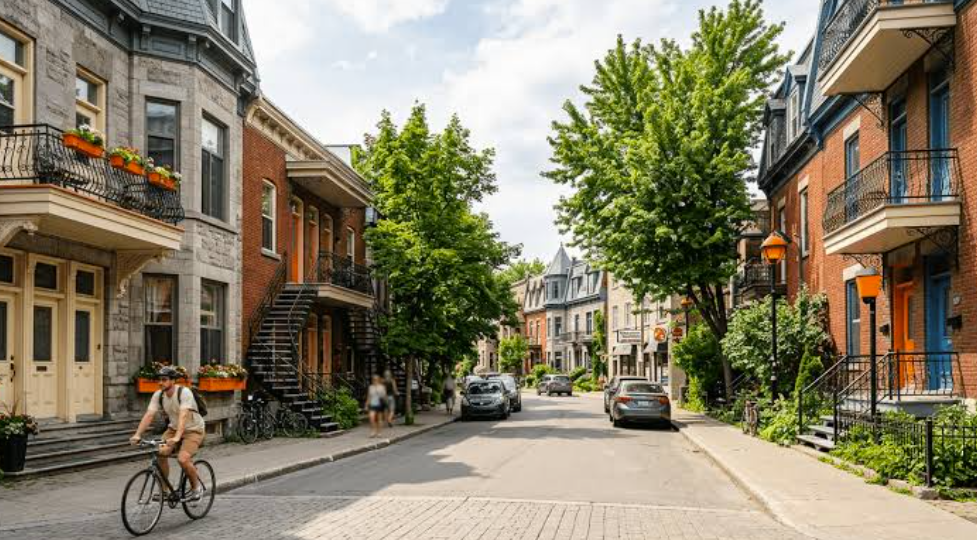
Montreal has a moving culture unlike most North American cities. A huge share of leases in the city start and end on July 1, which means moving trucks, elevators, and even highways get jammed on that single day every year. If you’re used to moving whenever a lease happens to end, this is the first thing to unlearn. Montreal also has a mix of older buildings with narrow staircases and no elevators, especially in neighborhoods like the Plateau, so the physical logistics of a move here can be trickier than in a typical suburban home.
On top of that, Montreal is a bilingual city. Most rental listings, lease documents, and even some moving company paperwork will be in French, English, or both. It’s worth getting comfortable with basic French lease terms early, even if you plan to live and work mostly in English.
See also: Genesis MedTech Global Healthcare Platform and Its Role in Modern Medicine
Choosing the Right Montreal Neighborhood
Picking a neighborhood is probably the single biggest decision in any Montreal move. Where you land shapes your commute, your rent, and your day-to-day lifestyle.
Downtown, the Plateau, and Mile End
If you want walkability, nightlife, and easy access to public transit, downtown Montreal and the nearby Plateau-Mont-Royal and Mile End areas are popular choices. These neighborhoods are dense, full of cafes and shops, and close to universities. The tradeoff is higher rent per square foot and older buildings that may not have elevators or parking.
The West Island and Off-Island Suburbs
Families and people who want more space often look toward the West Island, which includes areas like Pointe-Claire, Kirkland, and Dollard-des-Ormeaux. You’ll find more single-family homes, bigger yards, and quieter streets, though you’ll trade some walkability for a car-dependent lifestyle. Off-island suburbs like Laval, Brossard, and Longueuil offer similar space and value while still keeping you within a reasonable commute to downtown.
The South Shore and North Shore
If budget is a top priority, the South Shore (Rive-Sud) and North Shore (Rive-Nord) regions, including towns like Terrebonne and Saint-Eustache, tend to offer more affordable housing than the island itself. Just factor in bridge or highway traffic when you’re commuting into the city for work.
When to Plan Your Montreal Move
Timing matters more in Montreal than almost anywhere else in Canada, mostly because of one date.
The July 1 Moving Day Rush
July 1 is famously “Moving Day” in Quebec, when a massive number of leases turn over at once. Moving trucks, rental vans, and professional movers are booked solid weeks or even months in advance. If your move date is flexible, avoiding late June and early July will save you money and stress. If July 1 is your only option because of a lease start date, book your moving company as early as you possibly can, ideally two to three months ahead.
Off-Peak Timing Saves Money
Outside of the summer rush, moving in the fall, winter, or early spring usually means better availability and better rates from movers. Winter moves come with their own challenge though: snow and ice on sidewalks and stairs, so plan for extra time and caution if you’re moving between November and March.
Budgeting for Your Montreal Move
A realistic budget covers more than just the truck and the movers.
Core Moving Costs
Your main expenses will include the moving company itself, packing materials like boxes and tape, and possibly short-term storage if your new place isn’t ready the same day you move out of your old one. Getting quotes from a few local companies ahead of time, especially during busy season, helps you avoid last-minute price surges.
Costs People Forget
New tenants often forget about apartment application fees, utility hookup deposits, parking permits for moving trucks in dense neighborhoods, and the cost of replacing items that don’t survive a long-distance or multi-flight move. Building in a small buffer, even ten percent above your estimated total, keeps small surprises from turning into big stress.
What to Expect on Moving Day
Moving day in Montreal has a few quirks worth knowing ahead of time. Many older buildings require a reserved elevator slot, and some condo boards ask for a certificate of insurance from your moving company before they’ll let a truck near the loading dock. If you’re moving into or out of a walk-up apartment, ask your movers in advance whether stair fees apply, since carrying furniture up three or four flights takes real time and effort.
Parking is another common headache. In busy neighborhoods, you may need a temporary “no parking” permit from the city so your moving truck can park directly in front of the building. Applying for this a few days ahead avoids the scramble of circling the block on moving day itself.
A Quick Answer for Anyone in a Hurry
If you’re wondering what the single most important step is when moving to Montreal, it’s this: book your movers early and confirm your building’s elevator or parking rules at least a week before your move date. Those two things alone prevent the majority of moving day problems people run into in this city.
Settling In After the Move
Once the boxes are inside, the real work of settling in begins. Register for provincial health insurance (RAMQ) as soon as you’re eligible, since there’s a waiting period for new residents. Update your address with your bank, employer, and any subscription services right away, and look into transferring or setting up your STM transit pass if you’ll be relying on the metro or buses.
Give yourself permission to unpack slowly. Most people feel pressure to have everything perfect within the first weekend, but a move is stressful enough without adding an artificial deadline. Set up your bedroom and kitchen first, since those are the two rooms you’ll use every single day, and let the rest come together over the following week or two.
Frequently Asked Questions
What is the best time of year to move to Montreal?
Late spring through early fall is popular, but the single busiest and most expensive time is the last week of June through July 1. Moving in the fall or winter usually means lower rates and easier scheduling with movers.
Why do so many leases in Montreal start on July 1?
This tradition dates back decades in Quebec and has become the standard lease renewal date across the province. It means a huge portion of the city’s renters move on the same day, so trucks, elevators, and moving companies get booked up fast around that date.
Do I need to speak French to rent an apartment in Montreal?
No, but many listings and lease documents are in French, so it helps to know a few basic terms or bring someone who can translate. Landlords in most neighborhoods, especially downtown and the West Island, are comfortable communicating in English.
How much should I budget for a local move within Montreal?
Costs vary based on how much you own, the distance between homes, and whether stairs or elevators are involved, but getting two or three quotes from local moving companies before your date gives you a realistic, personalized number instead of a generic estimate.
Is it hard to find parking for a moving truck in Montreal?
In dense neighborhoods, it can be, especially on busy streets with limited curb space. Applying for a temporary no-parking permit from the city a few days before your move is the easiest way to guarantee your truck has a spot right out front.
If your move is taking you to the western part of the island, it’s worth knowing there’s a moving team that specializes in exactly that area. Olympique Moving Dollard-des-Ormeaux focuses on residential and commercial moves in that community and the surrounding West Island neighborhoods, which means the crew already knows the local streets, building layouts, and parking quirks before your truck even shows up.
Moving to a new city is never just about boxes and trucks. It’s about starting a new chapter somewhere unfamiliar, and the more you plan ahead, the smoother that transition feels. Pick your neighborhood based on your actual lifestyle, not just the listing photos; respect the July 1 rush if you can avoid it, and build a moving budget that accounts for the small costs as well as the big ones. Do that, and your Montreal move has a real shot at being one of the easier parts of this whole transition.
