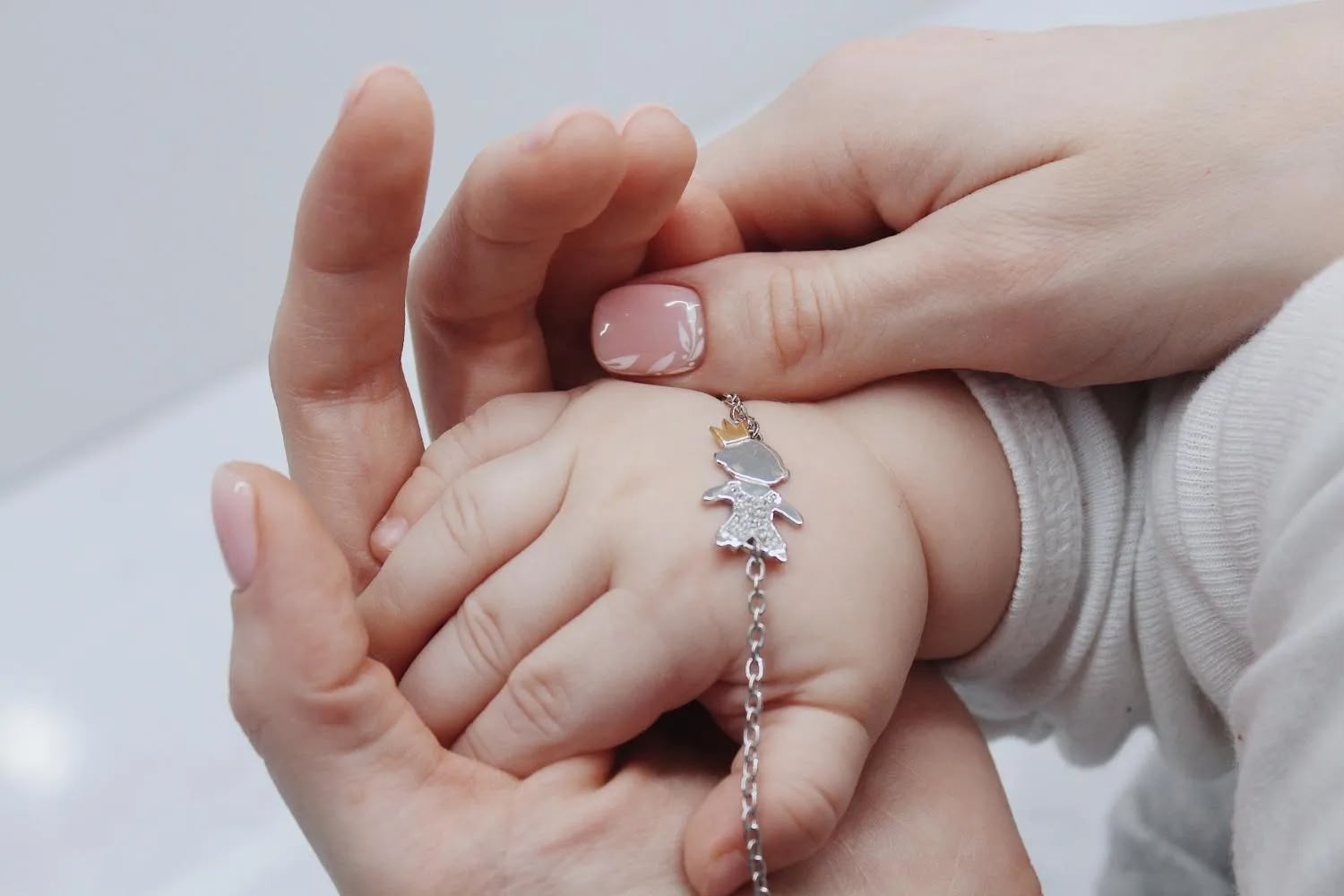
Jewelry is a fun way for kids and teens to express their personality, celebrate milestones, or complete an outfit.
From a child’s first pair of earrings to a teenager’s favorite necklace, the right accessory can become something they treasure. However, choosing jewelry for younger wearers involves more than considering appearance.
Kids and teens often have sensitive skin, and certain metals can cause redness, itching, swelling, or irritation. Jewelry can also present safety concerns when it includes small components, sharp edges, or designs that may snag on clothing or nearby objects.
Fortunately, parents can make safer choices by paying attention to materials, fit, design, and overall quality.
Choose skin-friendly materials
One of the most important factors to consider is what the jewelry is made from. Certain metals, particularly those containing nickel, can trigger contact dermatitis in people with sensitive skin.
Look for materials that are generally considered skin-friendly, such as surgical-grade stainless steel, titanium, sterling silver, or solid gold. If your child has reacted to jewelry before, choosing hypoallergenic jewelry can reduce exposure to common irritants.
Always check the manufacturer’s material information rather than relying only on labels such as “safe” or “sensitive skin.”
See also: Genesis MedTech Global Healthcare Platform and Its Role in Modern Medicine
Be careful with nickel
Nickel is a common cause of jewelry-related skin reactions. It can be found in inexpensive earrings, necklaces, bracelets, and other accessories.
If your child has sensitive skin or has previously developed irritation after wearing jewelry, consider nickel-free options. Pay particular attention to earrings, because pierced ears can be especially sensitive while they are healing.
When shopping, look for products that clearly state their metal composition and nickel content.
Consider the child’s age
Jewelry should always match the child’s age and level of supervision. Younger children may put small objects in their mouths, making tiny charms, beads, or detachable components potential choking hazards.
For young children, choose simple pieces without easily removable parts. Avoid long necklaces or dangling accessories that could become caught on playground equipment, furniture, or other objects.
Older children and teens can generally wear more detailed designs, but still consider comfort and safety.
Check earrings carefully
Earrings require special attention because they come into direct contact with pierced skin. The posts and backs should be smooth, secure, and made from a material that is unlikely to irritate.
Avoid earrings with rough edges, overly tight backs, or heavy designs that pull on the earlobe. Lightweight earrings are usually more comfortable for everyday wear.
For newly pierced ears, follow the piercer’s aftercare instructions and avoid changing jewelry too early.
Prioritize comfort
Beautiful jewelry isn’t useful if a child won’t wear it because it feels uncomfortable. Before buying a piece, think about its weight, size, shape, and how it sits against the skin.
For necklaces and bracelets, avoid excessively tight designs. Rings should fit comfortably and be easy to remove. Earrings should not place unnecessary pressure on the earlobe.
Comfort is particularly important for children who plan to wear jewelry throughout the school day.
Look for smooth, quality finishes
Before putting it on children, inspect jewelry. Don’t use jewelry with sharp edges, rough surfaces, loose stones, or poorly finished components.
These small details can make a significant difference in comfort and safety.
Higher-quality jewelry is often designed with better finishing and more secure construction. While price doesn’t always guarantee quality, extremely cheap pieces may use lower-quality materials or coatings that wear away over time.
Choose secure clasps and fasteners
When choosing jewelry for kids, look for secure clasps and fasteners. A poorly designed fastening can become frustrating or potentially dangerous.
For younger children, simple closures may be easier for parents to monitor. Teens who manage their own accessories may prefer more sophisticated clasps, as long as they’re secure and easy to use.
Check clasps and fasteners regularly for signs of loosening or damage.
Think about everyday activities
For active children, their jewelry should fit their lifestyle. Consider whether they will be playing sports, swimming, participating in physical education, or spending time outdoors.
It is often best to remove jewelry during activities where it could catch, break, or cause injury. This can also protect delicate pieces from damage.
Establishing simple habits, such as removing jewelry before sports or bedtime, can help keep both the child and the jewelry safe.
Keep jewelry clean
Jewelry can collect sweat, dirt, lotions, and other substances that may irritate sensitive skin. Regular cleaning can help keep pieces hygienic and comfortable.
Follow the manufacturer’s cleaning instructions because different metals and gemstones require different care. Avoid using harsh cleaning products unless they are specifically recommended for the material.
If a piece becomes damaged, discolored, or develops rough edges, stop using it until it has been properly repaired or replaced.
Pay attention to skin reactions
Even jewelry marketed for sensitive skin may not work for every child. Watch for signs of irritation such as redness, itching, swelling, tenderness, or a rash.
If a reaction develops, remove the jewelry and allow the skin to recover. Discuss persistent or severe symptoms with a healthcare professional.
Parents can also keep track of which materials have caused problems in the past, making future shopping easier.
Conclusion
Choosing jewelry for children and teens means balancing style, comfort, and safety.
Ideal pieces are made from skin-friendly materials, fit comfortably, feature secure designs, and suit the wearer’s age and daily activities.
