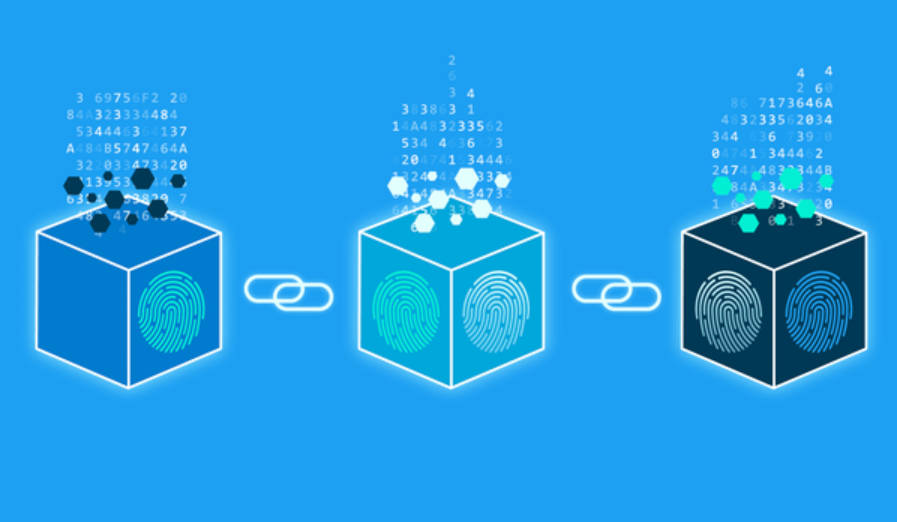
Blockchain education resources mix approachable theory with concrete, hands-on practice. Learners encounter core concepts like decentralization, consensus, and immutability in plain language, then apply them through projects, labs, and tutorials. Free to affordable options—books, datasets, open-source projects, and community groups—support steady progress. A clear plan with milestones helps maintain motivation. The next steps offer practical paths, guiding beginners toward confident experimentation and responsible risk-taking as they build hands-on expertise.
What Blockchain Basics Everyone Should Know
Blockchain basics lay the foundation for understanding how distributed ledgers operate and why they matter in the real world. The piece presents core concepts, practical illustrations, and learner-focused explanations without jargon. It highlights blockchain fundamentals like decentralization, consensus, and immutability, plus security primitives such as hashing, encryption, and trusted execution. This clarity supports confident, freedom-loving exploration of blockchain applications.
See also: How Ambient Computing Will Change Daily Life
Hands-On Learning Paths: Courses, Labs, and Tutorials
Learners gain hands on learning through step-by-step projects, simulations, and real-world scenarios. Clear explanations accompany practical labs, emphasizing autonomy, experimentation, and responsible risk-taking.
Free to Affordable Resources: Books, Open-Source Projects, and Communities
From the hands-on learning path described earlier, readers now explore freely accessible and affordable options to deepen blockchain knowledge.
The section highlights free datasets and beginner projects, guiding learners toward affordable books, open source projects, and hobbyist labs.
It also notes community meetups as practical venues for collaboration, feedback, and motivation while exploring beginner projects and broader open collaboration opportunities.
How to Choose and Track Your Progress in Blockchain Education
To choose and track progress effectively, learners should start by clarifying their goals, roles, and expected outcomes in blockchain education, then map those to a realistic learning plan with measurable milestones.
The guide highlights how to select study milestones and how to track mastery metrics, offering practical steps, objective checks, and learner-focused strategies for maintaining motivation and freedom in self-directed study.
Frequently Asked Questions
How Long Does It Take to Become Proficient in Blockchain Development?
Proficiency in blockchain development typically takes 6–12 months with consistent study and hands-on practice. Two word topics1 cover cryptography, consensus, and smart contracts; two word topics2 include testing, deployment, and security audits, offering practical, learner-focused paths toward freelance and freedom-oriented projects.
What Are the Best Career Paths After Blockchain Education?
A blockchain career can branch into development, product, security, or consulting, depending on interests; education pathways include structured degrees, bootcamps, or self-study with portfolio projects, networking, and certifications for practical, learner-focused progress and freedom.
How to Verify the Credibility of Blockchain Courses and Instructors?
The article investigates the truth of claiming credibility, noting that verifying instructor credentials is essential and evaluating course prerequisites is prudent. It presents practical steps, with examples, for learners seeking freedom in trusted blockchain education choices.
Which Certifications Hold Value in the Blockchain Industry?
Certifications hold value when they align with role requirements; in the blockchain industry, practical credence comes from recognized programs (e.g., security, development, architecture), voter-verified by real project impact, peer reviews, and demonstrable project contributions.
How Can I Assess Real-World Blockchain Project Experience?
Assessing real-world projects requires a structured lens: evaluating developer portfolios alongside verifiable outcomes, code quality, and collaboration impact; look for transparent metrics, test nets, audits, and demonstrated problem-solving. Learners gain clarity through practical examples and freedom-respecting criteria.
Conclusion
Blockchain education resources bridge theory and practice with clear concepts, hands-on labs, and affordable learning paths. Learners build confidence through practical projects, community support, and milestones that track progress. A hypothetical student, Maya, starts with hashing basics, completes a smart-contract lab, joins a local meetup, and documents her portfolio as she advances. By combining foundational knowledge with real-world labs and collaborative learning, newcomers steadily grow from curiosity to competent, responsible blockchain practitioners.
