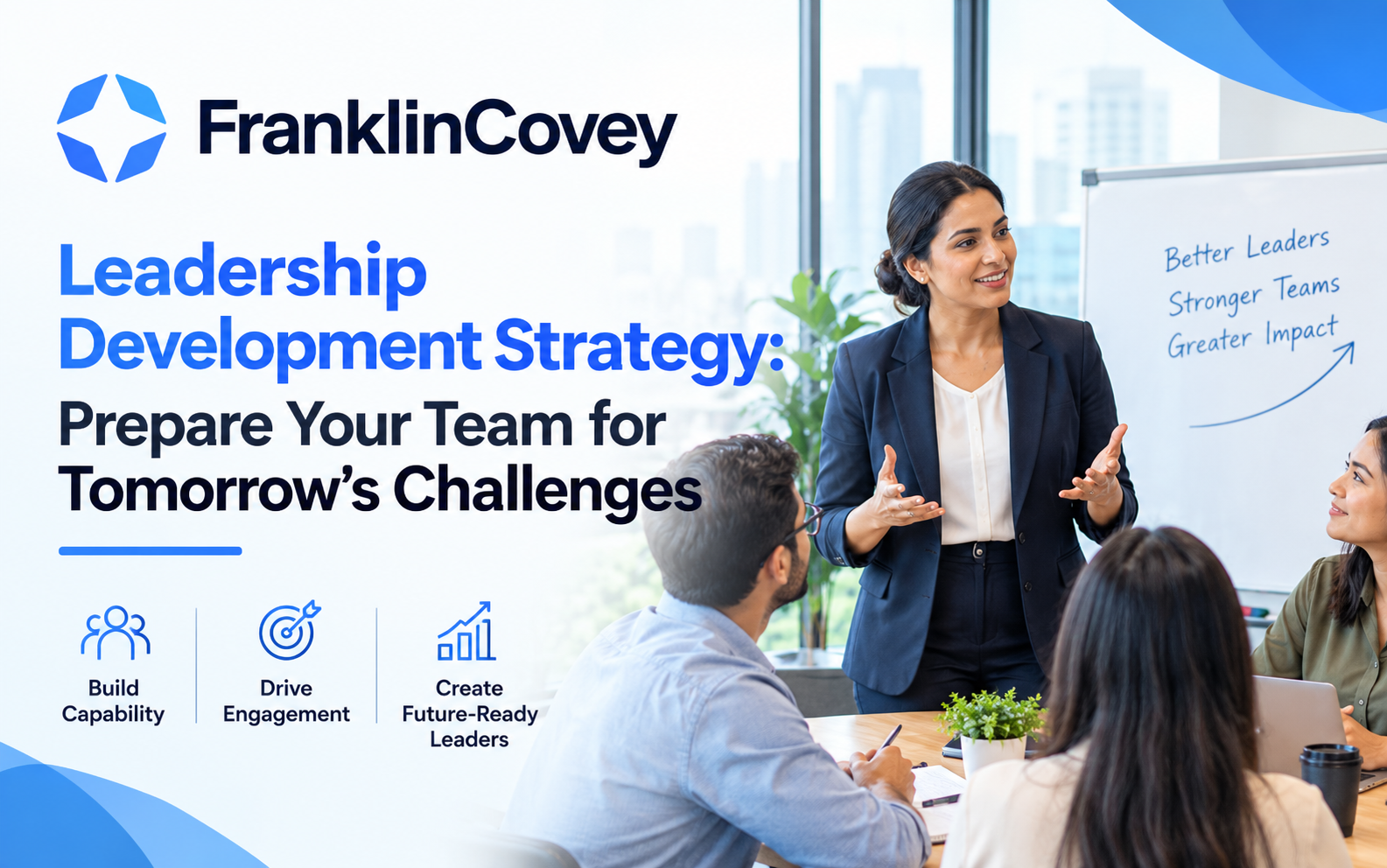
A corporation may be equipped with talented employees or state-of-the-art approaches; however, make poor decisions or ineffective taking the team. Lack of strong leadership is frequently the missing link. By crafting a clear leadership development plan, employees can learn skills to help them lead teams, solve issues, and assume higher-level responsibilities.
But this is not about training managers. That is to prepare people for managing well as business conditions change.
Find What Skills Your Business Needs
Check your existing leaders before planning training. What are the things they do well, and what are the areas they might require assistance? Everyone does not need great communication skills, some may have to focus on planning, conflict management, or team building.
Solicit feedback from employees and analyze performance data. You realize that these insights will be useful to keep in mind, instead of training people on offering the same structure which is irrelevant to everyone.
See also: How Ambient Computing Will Change Daily Life
Forming a Plan Around Real-World Content
Learn how to build a modern leadership development strategy: Start simple, start with clear mind.
Use these steps to guide your way:
- Be selective: For each skill, it should be aligned with your business objectives.
- Spotting future leaders: Find employees who show some initiative, and seem to want to learn.
- Provide variety of learning methods: Coaching, mentoring, workshops, and hands-on projects.
- Establish milestones: Each participant must have their goals to reach, and review them over time.
Leaders can apply new skills at work with practical tasks. For instance, if a novice manager is assigned to lead team works this will boost the confidence and decision-making skills.
Feedback Should Be Included During the Process
This should not end when the course ends. After all, regular feedback helps you understand what you do well and where you can still improve.
Managers could start holding short review meetings to reflect on past challenges and outline next steps. It does this by keeping learning relevant to everyday work.
Measure Results That Matter
A well-designed leadership development plan would have ongoing updates. Monitor changes in the form of team performance, employee satisfaction, staff turnover, and preparation for promotion.
The results are used to make a better program. Instead of blindly following a method, make them an adjustment if it is not allowing leaders to grow.
Build Leaders for Long-Term Growth
Strong leadership takes practice. Empower your employees with time to learn, space to make decisions, and the ability to receive support when faced with adversity. Development as an embedded part of company culture, enables businesses to develop the next generation of leaders and create teams more responsive to change.
