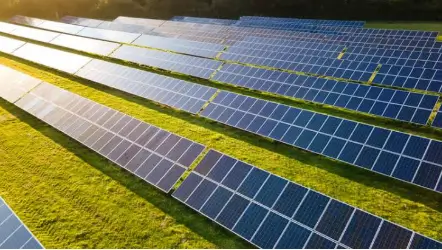
Farming has always depended on natural resources, but modern agriculture also relies heavily on energy. From pumping water and running machinery to storing crops and maintaining livestock facilities, energy costs can add up quickly.
At the same time, farmers face increasing pressure to use resources more efficiently while reducing their environmental impact. This is one reason solar technology is gaining attention in agriculture.
Solar power lets farms generate clean, renewable energy directly from sunlight. With the right setup, it can reduce dependence on conventional energy sources while helping farmers run their day-to-day operations more efficiently.
From irrigation to water management, solar technology is helping create a more sustainable approach to farming.
Why solar energy makes sense for agriculture
Farms are particularly well suited to solar energy because many agricultural operations have something in abundance: open space and sunlight.
Solar panels can be installed on suitable areas of land, buildings, sheds, or other structures to generate electricity for a range of farm activities.
Unlike conventional energy sources that require ongoing fuel consumption, solar panels generate electricity from sunlight. Once installed, they can produce energy with relatively low ongoing maintenance.
This can be particularly useful for farms in areas where extending electricity infrastructure is expensive or where access to reliable power is challenging.
See also: Genesis MedTech Global Healthcare Platform and Its Role in Modern Medicine
Solar-powered irrigation
Water is one of the most important resources in agriculture, making irrigation an area where energy efficiency can have a significant impact.
Traditional irrigation systems often rely on grid electricity or fuel-powered pumps to move water from wells, dams, tanks, or other sources to crops.
A high-quality solar water pump offers an alternative by using sunlight to pump water where it is needed.
During sunny periods, solar energy can power the pump directly, allowing farmers to move water without relying as heavily on conventional electricity or fuel. This can be particularly useful for irrigation systems that operate during daylight hours.
Solar-powered pumping can also be combined with water storage. Instead of pumping water only when crops need it, farmers can use solar energy during the day to fill tanks or other storage systems and then distribute the water when needed.
Reducing farm operating costs
Energy can represent a significant ongoing expense for agricultural businesses.
Fuel prices can fluctuate, while electricity costs can add up when pumps, machinery, refrigeration systems, and other equipment operate regularly.
Solar technology can help reduce some of these expenses by generating energy on-site.
While installing a solar system requires an initial investment, the long-term savings can make it an attractive option for some farms. Reducing dependence on grid electricity or fuel can also make operating costs more predictable.
For farmers, this isn’t only about saving money today. It can also make the business more resilient to future energy price increases.
Making water management more efficient
Sustainability isn’t simply about using renewable energy. It’s also about using resources responsibly.
Solar-powered irrigation can form part of a broader water-management strategy. When combined with efficient irrigation methods, timers, sensors, tanks, and monitoring systems, solar technology can help farmers deliver water more strategically.
For example, soil-moisture sensors can help determine when crops actually need watering. Instead of running irrigation according to a fixed schedule, farmers can respond more closely to real conditions.
This can reduce unnecessary water use while helping ensure crops receive adequate moisture.
Supporting remote agricultural areas
One major advantage of solar technology is its flexibility.
Agricultural properties can cover large areas, and some fields, livestock areas, or water sources may be located far away from existing electrical infrastructure.
Running power cables to remote parts of a property can be expensive and complicated. Solar systems can provide an independent energy source in locations where connecting to the grid isn’t practical.
A solar-powered pump, for example, can potentially provide access to water in a remote area without requiring a traditional electrical connection.
This can create more flexible farm layouts and water-management systems.
Reducing environmental impact
Renewable energy can also help farms reduce their reliance on fossil fuels.
Traditional fuel-powered equipment produces emissions during operation. Solar energy, by contrast, generates electricity without burning fuel.
For farms looking to reduce their environmental footprint, replacing some conventional energy use with solar power can be one part of a broader sustainability strategy.
Solar can work alongside other environmentally conscious practices, including water conservation, soil management, efficient machinery, recycling, and responsible land use.
Solar technology can support more than irrigation
Although irrigation is an obvious application, solar energy can support many areas of farm operations.
Depending on the system and energy requirements, solar power can support lighting, electric fencing, monitoring equipment, water heating, refrigeration, ventilation, and other electrical systems.
Battery storage can also store excess solar energy for use when sunlight isn’t available.
This gives farmers more flexibility and can help make renewable energy a more useful part of everyday operations.
Planning a solar-powered farm
Solar technology isn’t a one-size-fits-all solution. Before installing a system, farmers should consider energy consumption, available sunlight, water requirements, equipment capacity, property layout, and budget.
For irrigation, you should consider factors such as water source, pumping distance, required flow rate, elevation changes, and storage capacity.
Properly sizing the system is important. A system that is too small may not meet demand, while an unnecessarily large system could increase upfront costs without providing enough additional value.
Professional advice can help determine which combination of solar panels, pumps, storage, controls, and irrigation equipment makes sense for a particular operation.
Final Thoughts
Solar technology is changing the way farmers think about energy and resource management.
From powering irrigation and pumping water to supporting remote equipment and reducing dependence on traditional energy sources, solar can offer practical benefits alongside environmental ones.
As technology improves, solar-powered systems will likely become an increasingly important part of sustainable agriculture, helping farmers build operations that are more efficient, resilient, and prepared for the future.
