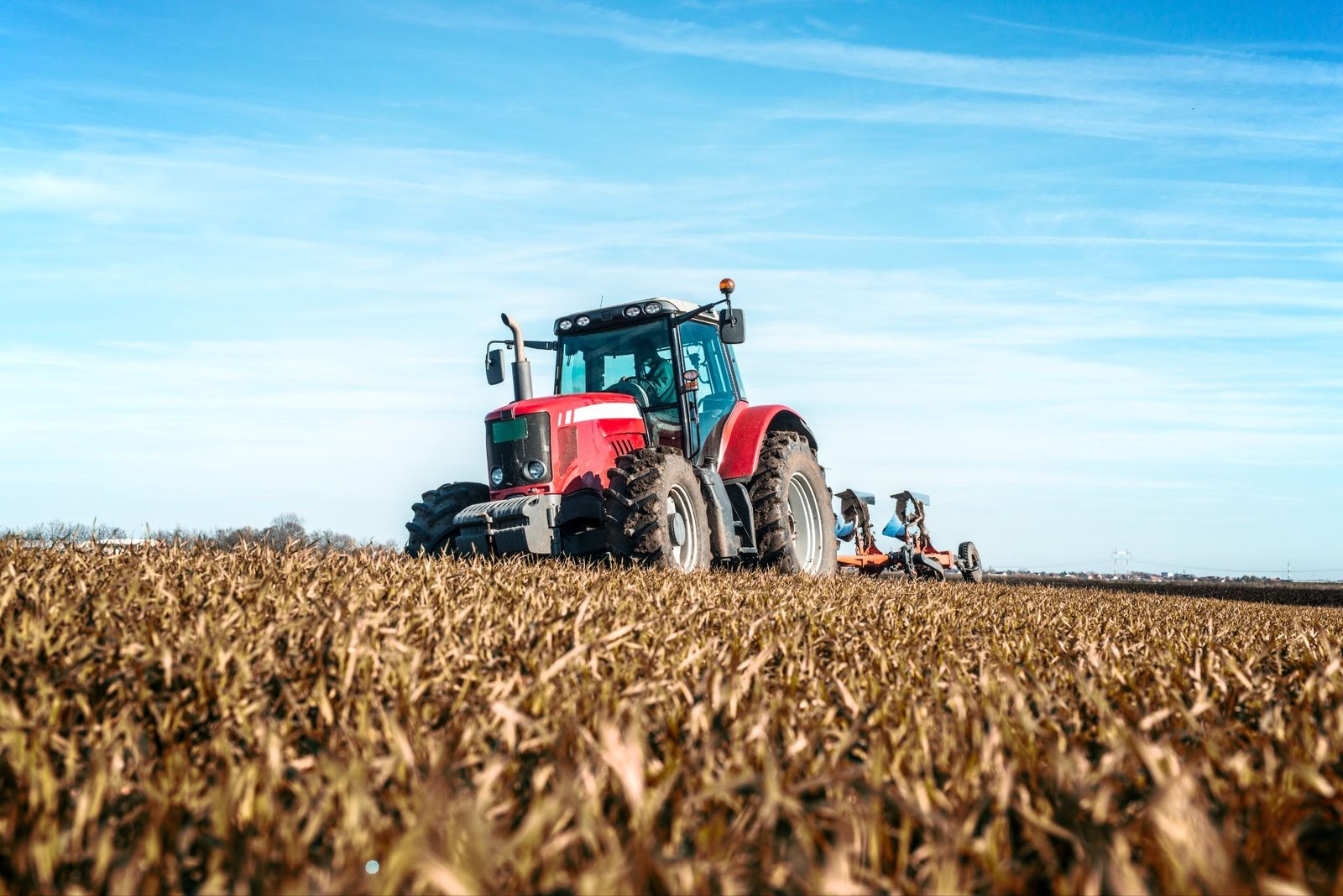
Farm attachments can expand what existing machinery can do without requiring a separate powered machine for every required task. Tractor, skid steer and excavator attachments can support different types of work around farms, rural properties and project sites. However, simply finding an attachment designed for the same general type of machine does not necessarily mean it will be suitable for a particular tractor model.
Compatibility should therefore be checked before purchasing an attachment. The machine model, connection requirements, hydraulic systems, electrical requirements and intended application can all influence whether an attachment is appropriate. In fact, equipment suppliers may specifically request the machine model when providing a quote for an attachment, highlighting how important this information is when matching equipment. For anyone considering farm equipment in Ontario, checking these details early can help ensure that a new attachment fits into the existing machinery setup and can be installed as intended.
Start With the Type of Machine
The first compatibility question is straightforward: what machine will operate the attachment?
Farm and property equipment can include tractors, skid steers, excavators and ATV or UTV-based tow-behind equipment. Attachments designed for one category should not automatically be assumed to work with another. The supplied equipment catalogue, for example, separates tractor attachments, skid steer attachments, excavator attachments and tow-behind ATV/UTV equipment into distinct categories.
Identifying the machine category narrows the options, but it is only the beginning. Two machines within the same category can still have different specifications and connection requirements.
The exact machine should therefore be considered before selecting an attachment.
See also: How Ambient Computing Will Change Daily Life
The Machine Model Is an Important Detail
Knowing that an attachment is intended for a tractor or skid steer may not provide enough information.
Different models can vary in their size, configuration and operating systems. This is why the exact make and model should be available when checking whether an attachment is suitable.
The importance of this information is reflected in the equipment quote process itself. Customers looking for an attachment are asked to provide the machine model for which the attachment is intended.
Providing accurate model information gives the supplier a clearer basis for determining whether the equipment being considered is appropriate for the existing machine.
Do Not Assume Similar Machines Are Identical
Two tractors or skid steers may appear similar but still have important technical differences.
Even machines from the same general equipment category may have different capacities, connection arrangements or auxiliary systems. An attachment that works correctly with one model should therefore not automatically be purchased for another based only on appearance.
Checking the relevant specifications can prevent assumptions from becoming purchasing mistakes.
This becomes particularly important when buying farm equipment in Ontario for an existing machinery fleet. The objective should be to add equipment that complements the machines already available rather than discovering compatibility problems after delivery.
Attachment Connections Need to Match
An attachment needs a suitable physical connection to the machine that will operate it.
The exact connection requirements depend on the equipment involved. Before purchasing, buyers should review the attachment specifications and compare them with the machine manufacturer’s information.
A correct connection affects more than convenience. The attachment needs to be installed according to its intended design before it can be used properly.
If the connection arrangement is unclear, it is better to confirm compatibility before placing the order instead of assuming modifications can easily be made later.
This is one reason model-specific information is valuable during the buying process.
Hydraulic Requirements May Need Attention
Some attachments rely on the machine’s hydraulic system to operate particular functions.
When hydraulics are involved, simply being able to physically connect the attachment may not be enough. The attachment and machine need to have suitable hydraulic requirements and connections.
Before purchasing hydraulic equipment, buyers should therefore review the relevant specifications for both the machine and attachment. If there is uncertainty about requirements, these details should be confirmed with an appropriate equipment professional rather than estimated.
Electrical Connections Can Also Affect Compatibility
Modern attachments can involve more than mechanical and hydraulic connections.
Some equipment may require electrical connections or wiring harnesses for certain functions. These components need to be considered when determining whether an attachment can be installed correctly on an existing machine.
The website’s installation information specifically mentions harnesses and electrical hookups alongside hydraulic connections.
Electrical requirements should therefore be identified before purchase. Discovering afterwards that additional components or installation work are necessary can complicate what initially appeared to be a straightforward attachment purchase.
Understanding these requirements in advance provides a clearer picture of the complete installation.
Consider What the Attachment Will Actually Be Used For
Technical compatibility is essential, but the intended application matters too.
An attachment can be compatible with a machine while still being poorly suited to the work the owner needs to complete. Buyers should therefore begin by identifying the tasks the equipment is expected to support.
Consider the property, working conditions and frequency of use. A farm, homestead or other rural property may have very different equipment requirements depending on its size and activities.
This practical assessment helps narrow the selection before technical compatibility is checked. The goal is not merely to find something that fits the machine but to find equipment that fits both the machine and the intended work.
Machine Capacity Should Be Considered
Attachments place different demands on the machines operating them.
Buyers should review the relevant machine and attachment specifications rather than assuming that a larger attachment will automatically improve productivity. The operating machine needs to be suitable for the equipment being connected to it.
Manufacturer specifications and operating instructions should guide these decisions.
This is particularly important when adding new equipment to a machine that has been used with different attachments in the past. Compatibility with one attachment does not establish compatibility with every other option in the same category.
Each combination should be considered individually.
Installation Is Part of the Compatibility Process
Compatibility checking should continue through installation.
Even when an attachment has been selected for the correct machine, proper assembly and connection are still required before use. Some equipment may involve components that need to be assembled, inspected or connected correctly.
The supplied website notes that most items can be assembled and inspected and specifically offers attachment installation based on available staff and resources.
Buyers should follow the manufacturer’s installation and operating instructions for the specific equipment involved. Where professional installation is appropriate, arranging it in advance can also make the purchasing process more straightforward.
Think About Replacement Parts and Future Maintenance
Compatibility considerations should not end once the attachment is installed.
Attachments are working equipment and may eventually require maintenance, repair or replacement components. Understanding how parts can be obtained is therefore useful when making a long-term purchase.
Before purchasing, buyers can consider what routine maintenance the attachment requires and whether appropriate parts and service support are accessible.
This broader view of compatibility helps ensure the attachment remains practical to own after the initial purchase.
Provide Complete Information When Requesting a Quote
One simple way to improve the equipment-selection process is to provide accurate information from the beginning.
When requesting an attachment quote, useful details can include the product or SKU being considered, machine model, quantity and any specific requirements. The supplied quote form requests these details and also allows buyers to provide additional questions or special requests.
Providing this information reduces guesswork and makes it easier to discuss appropriate options.
Buyers who are uncertain about compatibility should raise the question before ordering rather than waiting until the equipment arrives.
Avoid Choosing an Attachment Based on Price Alone
Price naturally matters when purchasing farm machinery, but it should not be considered separately from compatibility.
An attachment that appears inexpensive may provide little value if it cannot be installed properly on the existing machine or does not suit the intended work. Additional adapters, installation requirements or other changes can also affect the overall cost.
When comparing farm equipment Ontario options, buyers should therefore consider the complete equipment arrangement.
Machine compatibility, intended use, installation requirements, maintenance and long-term parts availability can all be more important than the initial purchase price alone.
Check Before Ordering, Not After Delivery
The best time to identify a compatibility issue is before an attachment has been purchased.
Start by confirming the machine type and exact model. Then review the attachment specifications, connection requirements and any hydraulic or electrical considerations. Finally, consider installation and the work the equipment is expected to perform.
If any information remains unclear, it should be confirmed before the order is finalised.
This relatively simple process can make equipment selection more deliberate and reduce the risk of purchasing an attachment based on incomplete information.
Conclusion
Farm attachments can make existing machinery more versatile, but their usefulness depends on choosing equipment that is genuinely suitable for the machine operating it. The machine model, physical connections, hydraulic and electrical requirements, intended application and installation process can all influence compatibility.
For buyers comparing farm equipment in Ontario, checking these details before purchase is more practical than trying to resolve mismatches afterwards. Manufacturer specifications should always be followed, and questions about compatibility should be addressed before an attachment is ordered.
A suitable attachment is not simply one that performs the required task. It also needs to work with the equipment already on the property. Taking the time to confirm both requirements can help create a more practical and dependable farm machinery setup.
