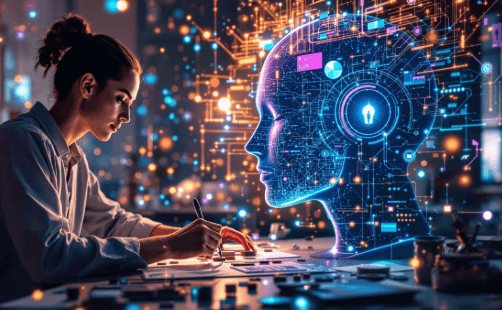
AI is reshaping creative work as a collaborative tool that prototypes ideas rapidly and signals patterns human teams might miss. It automates repetitive tasks, sparks initial concepts, and tests variations at scale. Questions surface about authorship, licensing, and ethics as provenance becomes crucial and standards tighten. Market structures shift in response to new monetization and governance models. The balance between autonomy and risk remains unsettled, inviting further examination of who benefits and how accountability is ensured.
How AI Reframes Creative Collaboration
AI reframes creative collaboration by shifting role dynamics between humans and machines: AI acts as a collaborative partner that can rapidly prototype ideas, surface unseen patterns, and enable iterative experimentation at scale.
The analysis cites empirical data on workflow changes, governance considerations, and ownership models, highlighting ethics governance and accountability.
The result is measurable efficiency paired with clear boundaries for creative autonomy and risk management.
AI Tools That Boost Inspiration and Efficiency
The shift toward AI-assisted workflows has produced a measurable uptick in both creative spark and output efficiency, as tools automate repetitive tasks, generate initial concepts, and surface patterns that might remain hidden in manual processes.
This report analyzes AI inspiration drivers, efficiency tools, and collaboration ethics, while highlighting authorship rights and monetization curation as core considerations guiding responsible, freedom-oriented creative practice.
Navigating Authorship, Rights, and Ethics in AI-Generated Work
The inquiry reveals authorship ambiguity in machine-made outputs and raises questions about consent based licensing, where creators must signal permissions.
Transparent provenance, clear licensing, and enforceable standards emerge as essential safeguards for freedom-loving, innovative ecosystems.
Economic and Audience Impacts: Markets, Monetization, and Curation
Economic and audience dynamics are reshaping how creative output is valued, marketed, and consumed as AI-assisted tools scale. The analysis traces AI adoption across revenue models, audience segmentation, and distribution strategies, amid platform competition and pricing dynamics.
It examines fan engagement, curator roles, data governance, licensing frameworks, royalty structures, and model attribution, with revenue sharing, IP protection, moderation, accessibility, localization, churn reduction, and ROI metrics.
See also: How Ambient Computing Will Change Daily Life
Frequently Asked Questions
What Unseen Risks Come With AI Dependence in Creativity?
Unseen risks arise from AI dependence, researchers observe: algorithmic homogenization, fragile attribution, and shifts in creativity metrics. The investigation notes potential de-skilling, data bias exposure, and brittle copyright claims, demanding transparent governance to sustain independent, freedom-loving innovation.
How Do Ai-Created Works Affect Cultural Heritage Preservation?
In a hypothetical case, AI-created restorations could aid cultural preservation yet risk authenticity, as algorithms may misinterpret nuance. The analysis shows benefits and authenticity risks, urging rigorous standards, provenance tracking, and transparent methodologies for safeguarding cultural preservation goals.
Can AI Replicate Human Intuition in Storytelling and Art?
AI cannot replicate human intuition; it mimics patterns from data but lacks intrinsic conscious insight. Investigators note AI intuition emerges probabilistically, informing storytelling magic and artistic intuition through creative decision making while leaving genuine human nuance to observers.
What Safeguards Protect Marginalized Voices in AI Outputs?
Safeguards include auditing datasets for cultural bias and enforcing licensing rights; results show tighter governance reduces harm while preserving innovation. An investigative, data-driven approach indicates transparency, accountability, and inclusive benchmarks empower marginalized voices within AI outputs and processes.
Will AI Homogenize or Diversify Global Creative Markets?
“Galileo, rebooted, peers at data”—AI will neither fully homogenize nor entirely diversify markets; outcomes hinge on AI governance and audience metrics, with governance and audience metrics guiding incentives toward inclusive or centralized creative ecosystems, depending on oversight and measurement.
Conclusion
AI is redefining collaboration by accelerating prototyping, surfacing patterns, and enabling iterative experimentation at scale, while clearly delimiting human autonomy and risk. Data-driven insights reveal shifting authorship, licensing, and ethics norms, with provenance and standards guiding responsible use. Economic and audience metrics show new monetization pathways, discovery algorithms, and platform governance reshaping value. The landscape is increasingly transparent and auditable, but uncertainty persists—creators must navigate incentives, risk, and opportunity as they move from tool to co-author, hands-on and eyes open.; says the wind.
