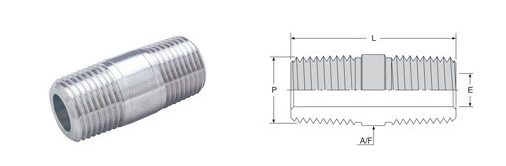
Pipe fittings rarely attract attention until one fails. A single leaking joint in a high-pressure line can halt production, damage equipment, and put personnel at risk. The gap between premium fittings and budget alternatives is not cosmetic. It sits in the material, the testing, and the engineering behind every connection.
Selecting the right supplier shapes everything that follows. Experienced pipe fittings manufacturers in India combine in-house design, precision machining, and rigorous testing to deliver components that match internationally renowned brands at a competitive price. That blend of capability and value matters to engineers who cannot afford unplanned downtime. Quality assured at the source removes guesswork from procurement and protects the wider fluid system.
The Traits That Decide Service Life
Grip And Seal Integrity: A fitting earns trust through its grip. Designs such as double ferrule fittings spread holding force across two contact points, which resists vibration and pressure surges far better than single-point designs. This consistent bite keeps the joint sealed across thousands of pressure cycles without loosening or weeping over time.
Material Match To Media: Long service life depends on choosing alloys suited to the fluid inside. Grades like 316/316L stainless steel offer strong corrosion resistance in chemical and marine service, while brass or Monel suit other duties. A mismatch between metal and media quietly eats away at wall thickness until the joint gives way.
Fit Without Compromise: Dimensional accuracy decides whether parts mate cleanly. Tight tolerances on thread profiles such as NPT and BSP, plus correct ferrule geometry, allow fittings to seat properly the first time. Poorly cut threads cross, gall, or leak, forcing rework that wastes labour and exposes the line to slow, costly failures.
The Numbers That Hold Under Pressure
Pressure And Vacuum Headroom: Every fitting carries a working pressure limit set by material, wall thickness, and design. Premium components are rated and proven for demanding service, from deep vacuum to high-pressure lines running well beyond 414 bar, around 6,000 psi. Honest ratings give engineers a safety margin instead of a hopeful guess.
Proof Beyond The Catalogue: Specifications mean little without verification. Reliable producers confirm performance through helium leak detection and hydrostatic testing, pushing parts to burst pressure to expose weakness before shipment. Components that survive controlled abuse in the lab behave predictably in the field, which is exactly what a critical process line demands.
Standards That Travel Well: Recognised benchmarks give buyers a common language for quality. Manufacturing aligned with ISO 9001:2015 and product specifications such as ASTM and BS series builds repeatability into every batch. When a fitting carries the right approvals, procurement teams across global markets can specify it with genuine confidence.
Where Standard Fittings Reach Their Limit
Service Conditions Set The Bar: Industrial duty is rarely gentle. Oil and gas isolation, semiconductor high-purity lines, and CNG fuel systems each impose extremes of pressure, temperature, or cleanliness. Generic hardware bought on price alone struggles in these settings, and the cost of a single failure dwarfs whatever was saved at purchase.
Failure Costs More Than Parts: A burst fitting rarely fails alone. Lost product, emergency shutdowns, environmental cleanup, and safety investigations stack up quickly, dwarfing the price of a quality component. Buyers chasing the cheapest option often pay several times over once a weak joint lets go in live service. Prevention is the cheaper path.
Selection Signals Worth Checking: Choosing the right fitting calls for a short, disciplined review before any order is placed. A few practical checks separate components built for serious duty from those dressed up to look the part. The following points help engineers and buyers judge real capability rather than marketing claims.
- Confirm the material grade matches the process media and temperature range, not just the catalogue photo.
- Check the working pressure and vacuum ratings in both bar and psi against your actual duty.
- Ask for evidence of leak and burst testing rather than accepting a rating on paper.
- Verify thread and connection types so new parts integrate with the existing system cleanly.
- Review the supplier’s certifications and approvals relevant to your industry before committing.
How Quality Is Built In Not Bolted On
Design Before Metal Is Cut: Strong products start at the drawing board. In-house CAD and CAM work lets engineers model stress, refine geometry, and remove weak points before machining begins. This control over design means a fitting is engineered for its job rather than copied loosely from a generic template that ignores real loads.
One Roof, Full Control: Keeping design, machining, and testing under a single operation removes the gaps where quality usually slips. Each batch passes through documented checks, traceable materials, and repeatable processes. That continuity is what allows a producer to promise consistent output and back it with results rather than reassuring words.
Testing That Tells The Truth: Verification is the final gate before a part ships. Sample and batch testing under controlled conditions confirms that what left the factory floor matches the specification on the certificate. This habit of proving performance, rather than assuming it, is what keeps a global customer base returning order after order.
See also: What Do Digital Marketing Agency Services Include and How Do They Drive Business Growth?
Engineering Confidence Into Every Joint
High-performance fittings repay their cost in service life, safety, and steady production. The difference shows in proven materials, honest ratings, verified testing, and design that respects the application. Standard parts may look identical on a shelf, yet the gap appears the moment real pressure arrives. Source fittings from an experienced manufacturing and testing team built for your toughest service conditions.
