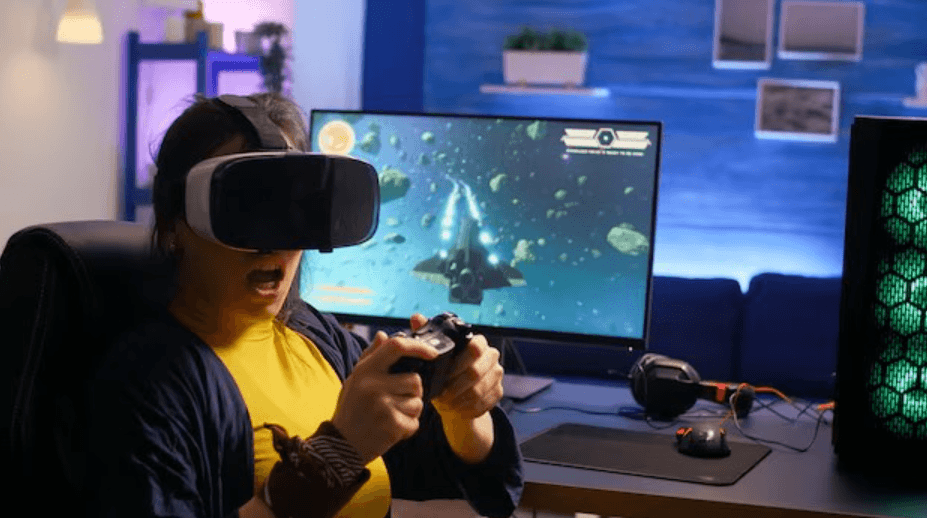
Games make progress easy to see. A player earns points, reaches a new level, completes a task, or fills a progress bar. Each action produces clear feedback.
Digital platforms use many of the same ideas. Learning apps track completed lessons. Fitness tools count workout streaks. Shopping platforms award status levels. Work software marks tasks as finished. These features are often called game mechanics or, in broader non-game settings, gamification.
Their purpose is simple. They turn activity into visible progress.
A long task can feel vague when users cannot see how far they have moved. A progress bar gives that effort a shape. A badge marks a milestone. A streak connects separate actions into one continuous record.
These mechanics also help platforms explain what users should do next. A level points toward another level. A checklist shows unfinished steps. A score can summarize several actions in one number.
The strongest systems do not try to turn every activity into a game. Instead, they borrow specific tools that make complex digital experiences easier to follow.
Game mechanics work best as navigation and feedback. They show users where they are, confirm what they have achieved, and make the next step easier to understand.
Progress Systems Make Long Tasks Easier To Follow
Many digital tasks take more than one session. A course may contain dozens of lessons. A fitness plan can last for months. A work project may include hundreds of separate tasks.
Platforms use progress systems to break this distance into smaller parts. A bar shows how much remains. Levels divide a long journey into stages. Checklists turn one large goal into several clear actions.
Games use the same structure. Some show experience points, completed missions, ranks, or changing status indicators. Chance-based interfaces associated with terms such as aviator casino game may also use fast feedback and changing status signals, though their rules differ from those of standard video games.
The broader design principle is simple. Users need to know where they stand.
Imagine walking along a trail with no distance markers. The path feels longer because you cannot judge how much remains. Add signs every kilometer, and the same journey becomes easier to measure.
Digital progress systems act like those signs. They turn hidden effort into visible movement.
This helps users connect each small action with a larger goal. Instead of facing one distant finish line, they see a series of reachable steps.
Immediate Feedback Connects Actions With Results
People understand a system faster when it reacts to their actions. Press a button and the screen changes. Finish a task and a check mark appears. Complete a lesson and the progress score rises.
This is immediate feedback. Games rely on it because players need to understand what their actions caused. Digital platforms use the same principle.
A language app may update a score after each exercise. Project software can move a task from “in progress” to “done.” A fitness app may add a completed workout to a weekly target.
Each response creates a clear chain: action, feedback, result.
Without feedback, users may wonder whether the system recorded their input. Delays create doubt. Clear responses remove that doubt and make an interface easier to learn.
Feedback does not need to be dramatic. Small changes often work best. A number can rise. A box can become checked. A status can change.
The key is speed and clarity. Users should see what changed and understand why it changed. When platforms provide that information at the right moment, each action feels connected to visible progress.
Streaks Turn Separate Actions Into A Continuous Record
A single action can feel small. A streak connects that action with everything that came before it.
Language apps may count consecutive study days. Fitness platforms track active weeks. Work tools can record how often teams complete routine tasks on time.
The mechanism is simple. Perform an action within a set period, and the streak continues. Miss that period, and the sequence stops or resets.
This creates a visible record of consistency. Ten completed sessions no longer look like ten isolated events. They become one ten-session chain.
Streaks also reduce uncertainty about the next step. Users do not need to choose a new goal each day. Continuing the existing pattern becomes an obvious action.
Yet streaks lose value when platforms attach them to meaningless activity. Opening an app is not the same as learning a skill or completing useful work.
Effective platforms therefore connect streaks to actions that support the product’s main purpose. A learning platform should reward learning. A fitness tool should track meaningful activity.
The streak should measure progress, not just presence. When the tracked action has real value, the mechanic can make repeated effort easier to see and understand.
Points And Levels Turn Progress Into Measurable Steps
Some forms of progress are hard to measure. Reading an article, learning a skill, or building a new habit may not produce an obvious result after each session.
Points and levels give that progress a simple scale.
A learning platform can award points for completed exercises. A community may use levels to reflect useful participation. A training app can increase a score as users finish planned activities.
Points provide detail. Levels group that detail into larger stages.
Think of a staircase. Each point is a small step. A level is a landing where users can stop and see how far they have climbed.
The numbers work best when they represent meaningful actions. If every click earns points, the score soon becomes noise. Users may focus on raising the number rather than completing the real task.
Platforms can avoid this problem by linking rewards to useful behavior. A course might value completed lessons more than app visits. A community might reward helpful answers rather than raw post counts.
Good point systems do not replace the main goal. They make progress easier to measure. The number should explain achievement, not become the achievement itself.
Badges And Milestones Mark Meaningful Achievements
Progress feels clearer when users can identify specific moments of completion. Badges and milestones give those moments a visible marker.
A learning platform might recognize the completion of a course. A fitness app can mark a training target. A professional network may highlight a complete profile or a verified skill.
These markers work like signs on a hiking trail. They do not move the walker forward. They show that a meaningful point has been reached.
Good milestones also divide large goals into manageable stages. Completing 20 lessons may feel distant. Reaching milestones after five, ten, and fifteen lessons creates several smaller targets along the way.
The design can fail when platforms reward trivial actions. If users receive badges for every click or visit, each badge carries less meaning.
A useful milestone should therefore represent real progress within the platform. It should confirm something users have actually completed, learned, built, or improved.
This keeps the mechanic tied to the product’s purpose. The reward becomes evidence of progress rather than decoration.
Clear Mechanics Turn Activity Into Direction
Game mechanics influence engagement because they make digital activity easier to read. Users can see what they have done, what changed, and what remains.
Progress bars show distance. Immediate feedback links actions with results. Streaks record consistency. Points and levels divide large goals into smaller steps. Badges mark meaningful achievements.
These tools work across very different platforms because they solve the same basic problem: digital progress is often invisible.
Strong platforms make that progress concrete. They do not add game elements simply to make an interface look playful. They choose mechanics that support the task users already want to complete.
The mechanic must also match the goal. A learning platform should measure learning. A fitness app should reflect useful activity. A work tool should highlight completed work.
When that link stays clear, game mechanics become more than decoration. They provide structure, feedback, and direction.
That is their main value. They turn a series of separate clicks and actions into a path users can understand and follow.
