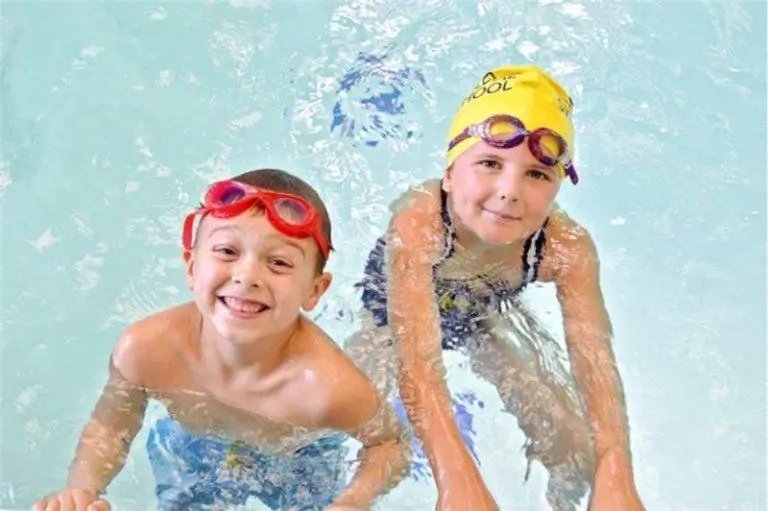
Most families think about water safety the way they think about smoke detectors, something you assume is handled until the moment it isn’t. Nobody plans for a close call at a pool party or a lake trip that goes sideways in seconds. That gap between assuming everyone’s fine and actually knowing what to do is exactly where baby swim lessons and structured water education start making a real difference, often long before anyone realizes how much it matters.
Water safety isn’t really about swimming ability in the way most people picture it. It’s about reaction time, comfort under stress, and knowing what to do in the first few seconds when something unexpected happens. That’s a very different skill set than doing a clean freestyle stroke across a pool.
Why Water Safety Gets Overlooked So Often
A lot of families treat pool access as a lifestyle perk rather than a responsibility that comes with real risk. Backyard pools, community pools, and vacation rentals with private pools have all become common enough that the danger side of that convenience fades into the background.
The statistics around drowning tend to surprise people who haven’t looked closely at them, mostly because drowning rarely looks like what movies show. It’s usually quiet, fast, and easy to miss even when adults are nearby and paying attention. That quietness is part of why water safety education gets deprioritized. There’s no obvious daily reminder of the risk the way there is with something like car seats or seatbelts.
Swim lessons surprise az families sign up for often start as a convenience or a fun activity, and only later do parents realize how much actual safety training was happening underneath the surface the whole time.
Water Safety Starts Long Before Formal Swimming
This is the part most people miss. You don’t need a child to be an independent swimmer for water safety education to matter. Simple habits, like teaching a toddler to always wait for an adult before approaching water, or teaching a child to roll onto their back and float if they end up in water unexpectedly, save lives far more often than actual stroke technique does.
Baby swim lessons often start with exactly these fundamentals rather than jumping straight into anything resembling real swimming. Comfort in the water, breath control reflexes, and basic orientation skills form the foundation everything else builds on later.
This foundational stage gets underestimated constantly because it doesn’t look impressive. There’s no dramatic moment of a baby swimming a length of the pool. But the quiet skills being built, staying calm, not panicking, knowing how to turn and find the surface, are the actual safety mechanisms that matter most in an emergency.
Adults Need This Just as Much as Kids
Water safety conversations almost always center on children, which makes sense given how vulnerable young kids are around water. But a significant number of adults never received any formal water safety education either, and that gap doesn’t disappear just because someone grew into adulthood.
Adult swim lessons often reveal this gap directly. Plenty of adults can technically move through water but have no real strategy for what to do if a current pulls them off course, if they get a leg cramp mid-swim, or if they need to help someone else in trouble without becoming a second victim themselves. Comfort in a calm backyard pool is very different from confidence in open water or a crowded public pool.
This matters even more for parents specifically. A parent who can swim but panics under real pressure isn’t in a strong position to help a struggling child, no matter how much they love that child or how badly they want to help.
What Real Water Safety Education Actually Covers
Good water safety education goes beyond stroke mechanics entirely. It includes things like recognizing the difference between playful splashing and actual distress, since real drowning rarely looks like the loud, dramatic thrashing people expect from movies and television.
It also covers self-rescue skills, like floating on your back to conserve energy and breathe if you’re tired or in trouble, and knowing how to call for help effectively instead of just yelling generically. These are learnable, teachable skills, not instincts people are simply born with or without.
Programs that treat these skills as seriously as they treat stroke technique tend to produce far more genuinely safe swimmers, even if that swimmer isn’t the fastest or most technically polished one in the pool.
See also: 20 Essential Business Lessons for New Entrepreneurs
Choosing a Program That Actually Prioritizes This
Not every program treats water safety with the same weight. Some focus almost entirely on stroke development and treat safety skills as a brief mention early on before moving to more visually impressive skills. Families researching options like swimming schools scottsdale residents search for should ask directly how much time gets spent on safety fundamentals versus stroke polish, since the answer varies more than most people expect.
A program worth choosing usually integrates safety skills throughout every level rather than treating them as a box to check in the first lesson. Floating, breath control, and calm reaction under stress should show up consistently, not just once at the beginning before moving on to other things.
If you’re trying to figure out how a specific program handles this, it makes sense to ask directly rather than guessing based on a website description. Reach out and connect with us with specific questions about how safety skills get built into lessons at every stage, not just the introductory ones.
This Isn’t a One-Time Lesson
Water safety isn’t something a child learns once and keeps forever without any reinforcement. Skills fade, especially in young kids, and a child who felt confident in the water at age four might need a refresher by age six if there’s been a long gap without practice.
The same applies to adults. Confidence in the water tends to erode faster than people expect once regular practice stops, which is part of why occasional refresher sessions matter even for people who technically already know how to swim.
Treating water safety as an ongoing part of family life, rather than a single milestone to check off, tends to produce the kind of calm, capable reaction that actually matters when something unexpected happens near water. That calm doesn’t come from a single class. It comes from repetition, comfort, and skills that stay sharp because they’re used regularly instead of learned once and forgotten.
